Key Mistakes to Avoid in Pallet Liquidation: A Beginner's Guide
In the world of pallet liquidation, new entrants often come across several pitfalls that can obstruct their success. Many beginners neglect essential elements such as pallet quality assessment and market research. Additionally, they may underestimate unexpected expenses and the value of building connections. Each of these missteps can significantly affect profitability. Being aware of these typical missteps is essential for individuals hoping to navigate this complex landscape effectively. What methods can help secure a more profitable beginning in pallet liquidation?
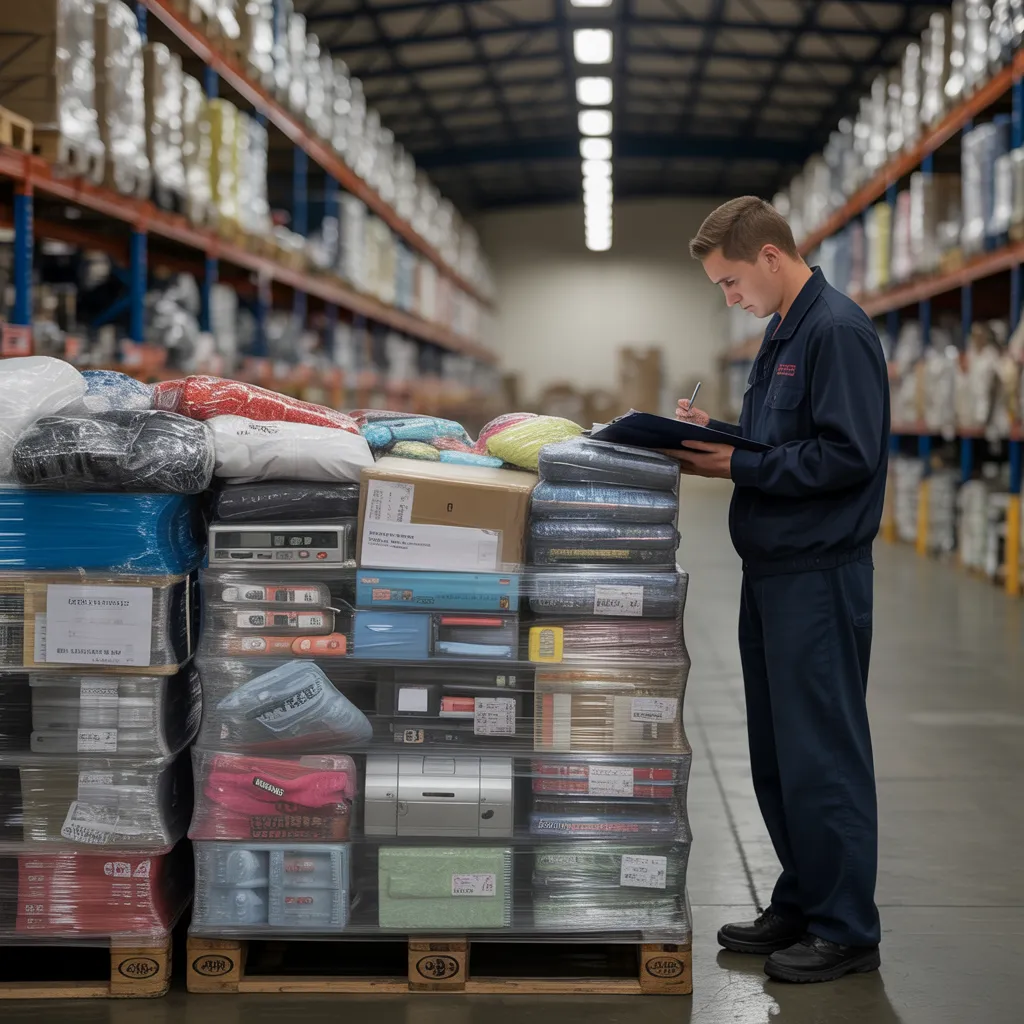
Avoid Misreading Pallet Quality in Liquidation
In the domain of pallet liquidation, assessing quality is critical. Beginners often misjudge the condition of pallets, which can lead to significant losses. Understanding the distinction between salvageable and non-salvageable goods is vital. Numerous people are inclined to ignore minor visible damages, assuming that minor wear does not affect overall value. However, hidden defects can result in additional costs during resale or disposal.
In addition, relying solely on visual inspections proves to be unreliable. It is recommended to scrutinize product descriptions closely and, if the opportunity arises, assess pallets on-site. This approach aids in detecting latent defects that may go unnoticed at first glance. Furthermore, knowing the market demand for particular products aids in forecasting potential profits. By focusing on a detailed review of pallet standards, resellers can prevent expensive errors and enhance profitability in their ventures. Acknowledging the value of thorough quality evaluation is a foundational step towards thriving in the pallet liquidation business.
Know the Local Regulations
When navigating the intricacies of pallet liquidation, understanding local regulations is vital for success. Compliance with local laws can markedly impact the profitability and viability of a liquidation business. Each region may have specific rules regarding the resale of goods, including safety standards and labeling requirements. Neglecting to comply with these regulations can lead to fines or even legal consequences, putting the entire operation at risk.
In addition, zoning regulations might influence the locations where liquidation operations are permitted. A thorough awareness of local regulations can prevent costly mistakes, such as establishing a warehouse in a restricted zone. In addition, some states require tax payments on particular types of products or necessitate licenses for sales occasions. Therefore, conducting thorough research into local regulations is a critical measure for individuals venturing into the pallet liquidation business. Complying with these rules ensures more seamless operations and supports sustained success in the industry.
Conduct Market Research for Pallet Liquidation
Performing comprehensive market research is crucial for successful pallet liquidation. This involves examining local demand trends, assessing competitor offerings, and assessing pricing strategies to guarantee a competitive edge. By understanding these factors, companies can make well-informed decisions that strengthen their liquidation efforts.
Evaluate Local Demand Trends
How does a thorough understanding of local demand trends profoundly affect pallet liquidation success? Examining these trends enables liquidators to match their inventory with community needs, guaranteeing greater sales potential. Local demand may shift substantially depending on elements such as seasonality, economic circumstances, and demographic transitions. By performing detailed market research, liquidators can pinpoint which products are most demanded and refine their purchasing strategies appropriately. Such understanding not only decreases unsold inventory but also boosts overall profitability. Furthermore, staying aligned with local preferences can assist in developing focused marketing strategies, building stronger relationships with prospective buyers. Ultimately, a keen awareness of local demand trends equips pallet liquidators with the necessary tools to make informed decisions and optimize their operations.
Examine Competitor Offerings
An in-depth knowledge of competitor offerings can greatly enhance a pallet liquidator's position in the market. By performing thorough market analysis, liquidators can identify the varieties of pallets and goods competitors are distributing, as well as their procurement methods. This understanding helps in pinpointing gaps in the market that could be exploited for better profitability. Additionally, evaluating competitors' capabilities and limitations allows liquidators to set their inventory apart, ensuring they meet consumer demands more effectively. Monitoring customer feedback on competitor products can offer useful insights on product standards and service requirements. Ultimately, researching what competitors provide equips pallet liquidators with the knowledge needed to refine their approach and better position themselves in a competitive landscape.
Evaluate Pricing Strategies
Analyzing price structures is vital for liquidation businesses looking to maximize profitability. To create successful pricing, liquidators must perform comprehensive market research, analyzing the consumer interest in specific goods and competitor pricing. Understanding regional price variations and time-based market shifts can reveal opportunities for optimal price points. Additionally, comparing wholesale costs with potential resale values assists in discovering viable profit opportunities. Liquidators should also evaluate target audience characteristics; customizing pricing structures to various customer groups can boost transaction volumes. Additionally, adopting flexible pricing strategies, such as savings for volume buying or special pricing events, can attract more customers. Ultimately, a thoroughly researched pricing strategy not only increases earnings but also establishes the reseller favorably among industry rivals.
Detecting Hidden Charges in Pallet Liquidation
Within pallet liquidation, concealed expenses can significantly impact profitability. Unforeseen shipping charges, auction platform charges, and revenue losses due to unsold stock frequently go overlooked. Understanding these expenditures is vital for a profitable liquidation plan.
Surprise Delivery Costs
While investigating pallet liquidation opportunities, one key factor commonly ignored is the possibility of unforeseen shipping costs. A large number of newcomers concentrate on the price of the merchandise alone but fail to account for the supplementary fees linked to moving the pallets. Transportation charges can fluctuate considerably based on the seller's location, the volume of the cargo, and the chosen copyright. Furthermore, some sellers may charge extra for shipping services or demand that buyers organize their own transportation, making the process more complex. To avoid unpleasant surprises, it is essential to clarify shipping terms prior to completing a transaction. Understanding these costs can prevent substantial cost exceedances, ensuring a more accurate financial assessment of the complete liquidation undertaking.
Auction Site Fees
Navigating the world of pallet liquidation often reveals a web of auction platform costs that can significantly impact financial returns. A large number of beginners overlook these hidden costs, which can include posting fees, closing value charges, and transaction processing fees. Each platform has its own fee structure, and comprehending them can avoid unforeseen monetary setbacks. Moreover, some auctions may charge purchaser surcharges that add to the total buying cost. It is vital for beginners to thoroughly review the platform policies and cost breakdowns before engaging with any platform. By keeping track of these fees, liquidators can more effectively gauge their complete financial commitment and expected gains, ultimately leading to smarter acquisition strategies.
Unsold Inventory Losses
Pinpointing losses from unsold inventory is critical for individuals participating in pallet liquidation. Items that remain unsold can build up expenses that greatly impact profitability. For starters, there are warehousing fees, which escalate the longer as products remain unsold. In addition, unsold stock can lead to markdowns or clearance sales, further diminishing expected returns. Moreover, the threat of product obsolescence or physical damage intensifies the longer items remain unsold, generating additional financial burdens.
Moreover, enterprises may overlook the opportunity cost of funds locked in stagnant inventory, which could have been used elsewhere. A comprehensive analysis of unsold inventory allows professionals to reach better decisions, reduce financial losses, and refine future procurement strategies. Identifying these concealed expenses is crucial to maintaining a sustainable liquidation operation.
Build Your Network
Developing a reliable set of connections is essential for those venturing into pallet liquidation. Building connections with professionals in the industry, supply partners, and other professionals in liquidation can significantly improve insights and opportunities. Building relationships with businesses in your area, going to industry trade shows, and joining online forums can cultivate partnerships that provide key knowledge about finding pallets and staying current with market developments.
Additionally, networking may result in beneficial partnerships, facilitating joint purchasing or exchanged insights on successful selling strategies. By building relationships with experienced liquidators, newcomers can receive mentorship, benefiting from counsel on avoiding common pitfalls.
In addition, online communities and social media platforms prove to be invaluable tools for building a wider professional network. Frequent participation in these communities can result in uncovering potential buyers and suppliers. In the end, a strong network is not just a support system; it is an essential resource that can advance a newcomer's path in the liquidation pallet industry.
Advanced Sales Methods for Pallet Liquidation
Perfecting sales strategies for liquidating pallets can considerably improve profit margins. Recognizing market trends is essential; vendors should conduct thorough research to pinpoint which goods are popular and appealing to consumers. Price structures also serve a critical function; strategically set prices can bring in interested shoppers while maintaining a healthy return.
Utilizing web-based channels for commerce can expand the pool of potential buyers, enabling sellers to engage a broader market. Effective promotional strategies, such as developing compelling listings with high-quality images and thorough descriptions, can boost exposure and attractiveness.
Fostering relationships with loyal customers encourages trust and loyalty, which can lead to consistent sales. Ultimately, providing special offers or discounts can spark enthusiasm and drive faster transactions, decreasing overstock levels. Through applying these approaches, beginners can navigate the complexities of pallet liquidation and increase their overall gains.
Answers to Your Most Common Questions
What Is Pallet Liquidation, and How Does It Function?
Pallet liquidation encompasses buying surplus or returned goods, often in bulk, from wholesalers or retailers at a reduced price. Purchasers obtain pallets packed with mixed merchandise, spanning from electronics to apparel, which they can then distribute individually or in reduced quantities. This process commonly involves bidding at liquidation auctions or purchasing directly from liquidation companies. Success in this field requires knowledge of market demand and strategic inventory management to optimize earnings.
How Can I Find Reputable Liquidation Suppliers?
To locate reliable liquidation vendors, one should start by exploring online directories and discussion forums where seasoned buyers exchange their knowledge. Attending trade shows and networking events can additionally offer meaningful connections. Confirming supplier qualifications and reading customer reviews aids in building confidence. Furthermore, obtaining referrals from industry colleagues could direct you to trustworthy options. It is essential to evaluate pricing and conditions to ensure an equitable agreement, ultimately fostering a positive purchasing experience.
What Types of Products Are Typically Found in Liquidation Pallets?
Liquidation pallets commonly include a diverse range of products, including clothing, electronics, furniture, home goods, and toys. These items often come from returns, overstock, or discontinued product lines, causing conditions that vary from pristine to damaged. Retailers may include brands from well-known companies, offering potential value for resellers. However, the specific contents can vary greatly, requiring buyers to carefully research and examine pallets prior to purchasing in matching information order to get the most from their investment.
What Is the Best Way to Determine the Resale Value of Liquidation Items?
To determine the resale value of liquidation items, you should search for related products digitally to gauge market prices. Browsing comparable items on platforms like eBay or Amazon can give a clear picture of ongoing demand and market pricing. Moreover, evaluating the physical condition of the item, brand reputation, and additional components included can shape the resale price. As a final step, considering freight charges and local market rivalry enables you to create a competitive yet profitable resale price.
What Are the Most Common Mistakes Beginners Make in Pallet Liquidation?
Typical errors beginners in pallet liquidation encounter include overlooking key costs including shipping and handling charges, which can greatly affect profitability. Numerous newcomers also overlook the importance of researching the market value of goods, causing suboptimal investment decisions. Moreover, disregarding effective inventory management strategies can cause products to remain unsold. Beginners might also neglect to inspect pallets thoroughly, jeopardizing their funds by purchasing defective or unmarketable merchandise. Ultimately, insufficient knowledge of local regulations can lead to compliance issues.